What Research Reveals About Nerve Health and Everyday Habits
Emerging research is offering new perspectives on how common habits, diet, and nutrition influence peripheral nerve health and neuropathy symptoms. Here's what experts are discovering — and one nutritional formula that's drawing attention.
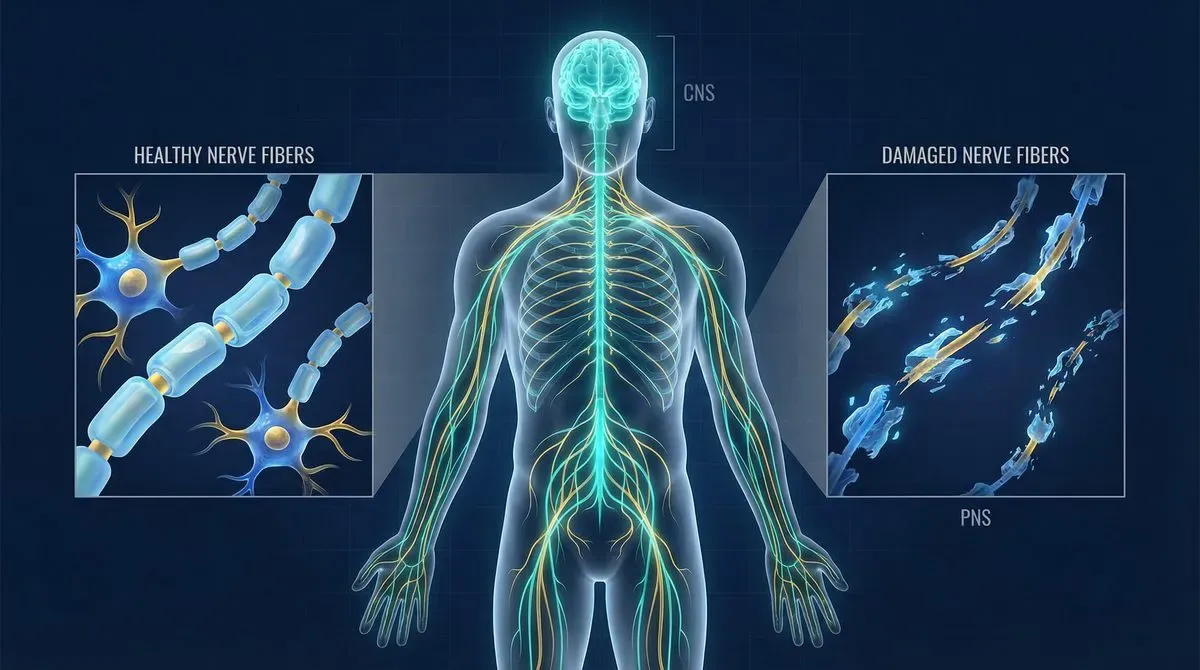
For years, persistent tingling in the feet, sudden numbness in the hands, or that unsettling pins-and-needles sensation that creeps in at night was dismissed by many as "just getting older." But a growing body of research is challenging that assumption — suggesting that some of the most uncomfortable nerve-related symptoms may be linked to nutritional patterns most people never think to question.
I first stumbled onto this story after my own mother — an active 62-year-old who had always prided herself on her morning walks — began describing a strange buzzing sensation in her feet. Her doctor ran the usual panels. Nothing alarming. But the symptoms persisted. And the more I dug into the medical literature on her behalf, the more I realized: she wasn't alone, and the conversation around peripheral nerve health was quietly shifting.
What I uncovered surprised me. Researchers have been examining how specific nutrients — long known to support healthy nerve function — may play a larger role than previously understood in how the peripheral nervous system holds up over time. And one nutritional formulation, a powder-based supplement called Neurosalt, has been generating buzz in editorial wellness circles for the unusual combination of ingredients it puts on the table.
This is what I learned.
Why Nerve Health Becomes a Conversation in Midlife
Peripheral neuropathy — the umbrella term for conditions affecting the nerves outside the brain and spinal cord — affects an estimated 20 million Americans, according to figures cited in peer-reviewed reviews. The symptoms range from mild (occasional tingling, a "sock-like" numbness in the feet) to severely disruptive (sharp shooting pains, balance issues, sleep disturbance).
While diabetes remains the most well-known driver, researchers have also documented neuropathy linked to nutritional deficiencies, certain medications, toxin exposure, and chronic inflammation. Crucially, the nutritional category has been receiving renewed scientific attention — particularly the role of B-vitamins, antioxidant compounds, and certain plant extracts traditionally associated with circulation and nerve support.

That's where Neurosalt enters the picture.
Nutritional Focus Areas in Neurosalt's Formulation
Neurosalt is a powder-based nutritional supplement formulated around ingredients that have been studied for their potential roles in supporting peripheral nerve health, circulation, and overall nervous system wellness.
- B-Vitamin Complex Support — featuring B1, B6, and B12 for nerve signal transmission
- Botanical Circulation Support — including Ginkgo Biloba
- Antioxidant Coverage — Alpha-Lipoic Acid and complementary compounds
- Omega-Rich Tree Nut Extracts — including walnut extract for nerve cell membrane integrity
- Anti-Inflammatory Botanicals — traditional ingredients like turmeric and ginger root
The formula isn't marketed as a treatment or a cure. It's positioned as a nutritional companion — something women (and men) who are paying attention to their nerve wellness can fold into a broader, consistent wellness routine. Individual results depend on age, lifestyle, and consistent use.
A Closer Look at the Key Ingredients
I asked a registered dietitian friend to walk me through the science behind the headline ingredients. Here's what stood out — and what the published literature suggests each one may contribute to peripheral nerve support.
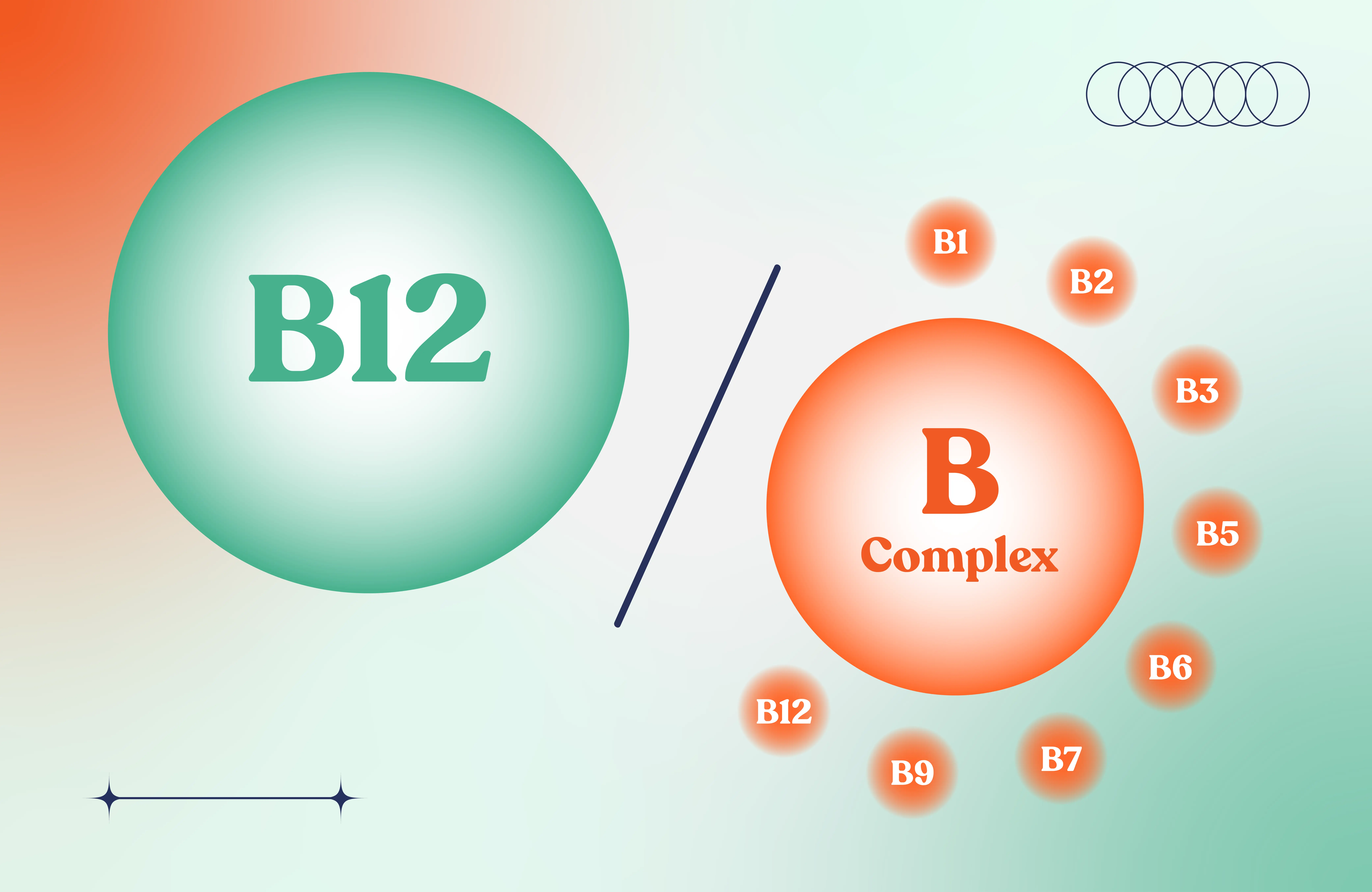
B-Vitamin Complex (B1, B6, B12)
A combination of B1, B6, and B12 — vitamins that play essential roles in maintaining healthy myelin sheaths, supporting nerve signal transmission, and promoting peripheral nerve regeneration. B12 deficiency in particular has been documented as a contributor to neuropathy symptoms in published clinical literature.
Results may vary from person to person.
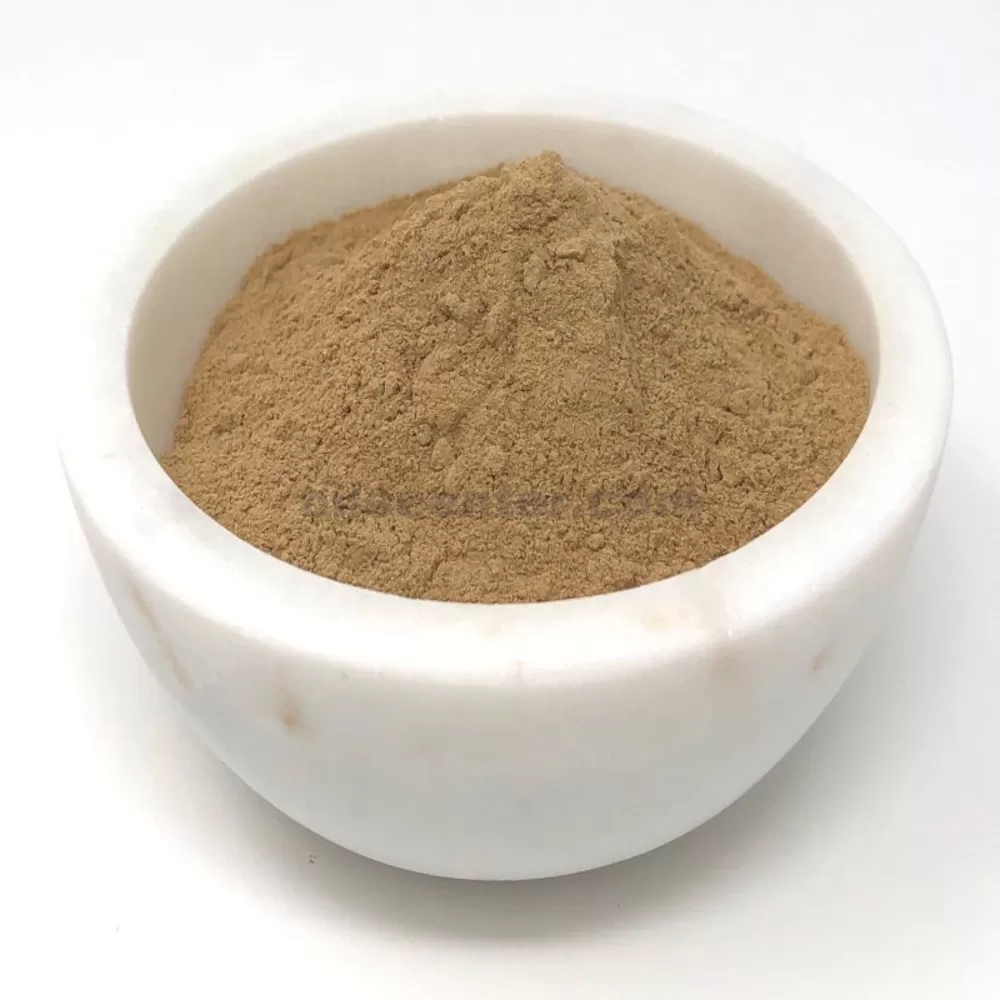
Ginkgo Biloba & Botanical Extracts
Traditional ingredients selected for their historical use in supporting peripheral circulation, helping address nerve-related inflammation, and supporting comfort in the extremities. Ginkgo has been studied for centuries in traditional wellness practice and continues to attract research interest.
Individual results depend on age, lifestyle, and consistent use.
Alpha-Lipoic Acid (ALA)
A potent antioxidant studied for its potential role in reducing oxidative stress in peripheral nerves, supporting nerve conduction velocity, and easing the discomfort associated with neuropathic symptoms. Multiple meta-analyses have examined ALA's role specifically in diabetic neuropathy research contexts.
Results vary by individual.

Turmeric & Curcuminoids
The active compounds in turmeric — known collectively as curcuminoids — have been studied extensively for their antioxidant and anti-inflammatory properties. Researchers have examined their potential to help neutralize free radicals that may contribute to nerve discomfort over time. Turmeric has thousands of years of use in traditional wellness systems.
Not intended to diagnose, treat, cure, or prevent any disease.
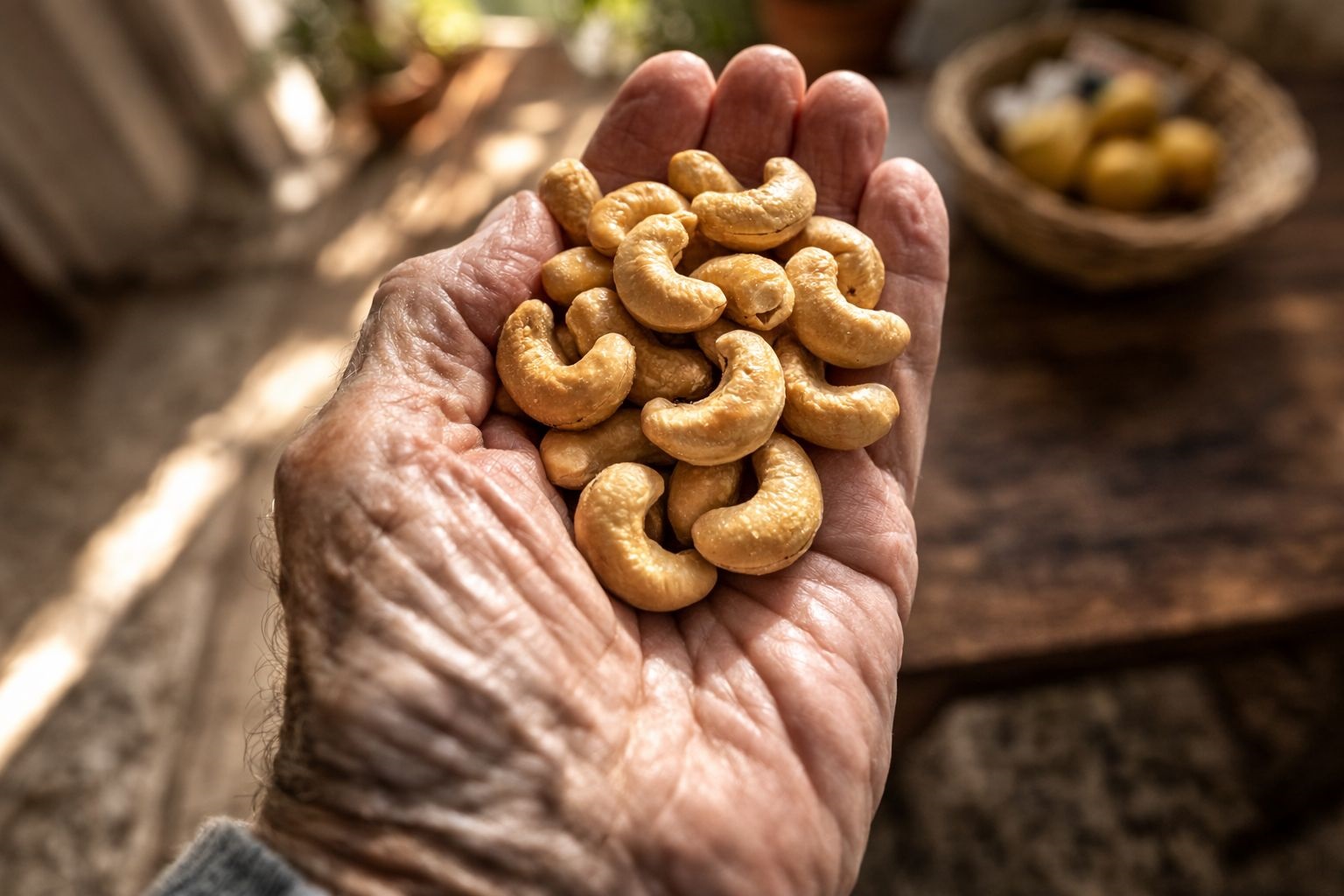
Walnut & Tree Nut Extracts
Rich in essential omega-3 fatty acids and antioxidants, tree nut-derived compounds (including walnut extract) have been studied for their potential to support nerve cell membrane integrity, address neuropathic-style inflammation, and contribute to overall nerve wellness as part of a balanced nutritional approach.
Results may vary from person to person.

Ginger Root
A powerful botanical known for its potent anti-inflammatory and antioxidant properties, traditionally utilized to help protect peripheral nerves against oxidative stress and support healthy circulation to the hands and feet. Ginger has thousands of years of use in traditional wellness systems.
Consult a licensed healthcare provider before beginning any new supplement regimen.
Disclaimer: Neurosalt is a dietary supplement, not a medication. It is not intended to diagnose, treat, cure, or prevent any disease. Individual results may vary. The information provided here is for educational purposes only and should not be considered medical advice. This product has not been evaluated by the FDA. Consult a licensed healthcare provider before beginning any new nutritional regimen.
How Neurosalt Fits Into a Broader Routine
It's worth emphasizing what Neurosalt isn't. It's not a prescription medication. It's not a replacement for medical care. And it's not a magic bullet — anyone promising overnight transformation is selling something I'd walk away from.

People who report being most pleased with Neurosalt tend to be those who pair it with the lifestyle fundamentals researchers continue to emphasize: regular movement, balanced nutrition, blood sugar awareness, adequate sleep, and routine check-ins with a healthcare provider.
The compliant truth: a supplement works best as one piece of a larger puzzle. What Neurosalt is, according to its formulation profile, is a nutritional powder built around ingredients with documented roles in nerve and circulatory support. Users typically incorporate it into a daily wellness routine alongside the basics — and that consistency, paired with patience, is the part most people seem to appreciate.
What Readers Are Saying
Personal experiences shared with the editorial team. Individual results may vary.
"I've been adding the powder to my morning routine for about six weeks now. I appreciate that it doesn't promise miracles — I'm just looking for something to fold into my overall wellness habits, and so far it's been an easy addition to stick with."
Individual results may vary. Personal experience only.
"I read the article on a whim — my feet have been bothering me on long walks. I appreciated that the piece didn't make wild promises. I've been pairing the supplement with more walking and watching my sugar intake, and I feel like I'm doing something proactive."
Individual results may vary. Personal experience only.
"My husband and I both take it. He's the skeptic and even he stuck with it. It's not flashy — it's just a routine. I like that we're paying attention to nerve nutrition the way we already pay attention to heart health."
Individual results may vary. Personal experience only.
"I've tried other powders that taste awful or make wild claims. This one is straightforward. I mix it in the morning, I drink my coffee, I get on with my day. The simplicity is the appeal."
Individual results may vary. Personal experience only.
Frequently Asked Questions
Common questions readers have asked our editorial team.